diy projects
Animate a Halloween Skeleton with a Raspberry Pi Pico and Servos
Turn a ₱150 plastic skeleton into a spooky animatronic with a Raspberry Pi Pico, four 9g servos, and a distance sensor. Wiring and power…

DIY project write-ups by makers building with parts from Circuitrocks. Hardware list, code, and build photos.
Turn a ₱150 plastic skeleton into a spooky animatronic with a Raspberry Pi Pico, four 9g servos, and a distance sensor. Wiring and power…
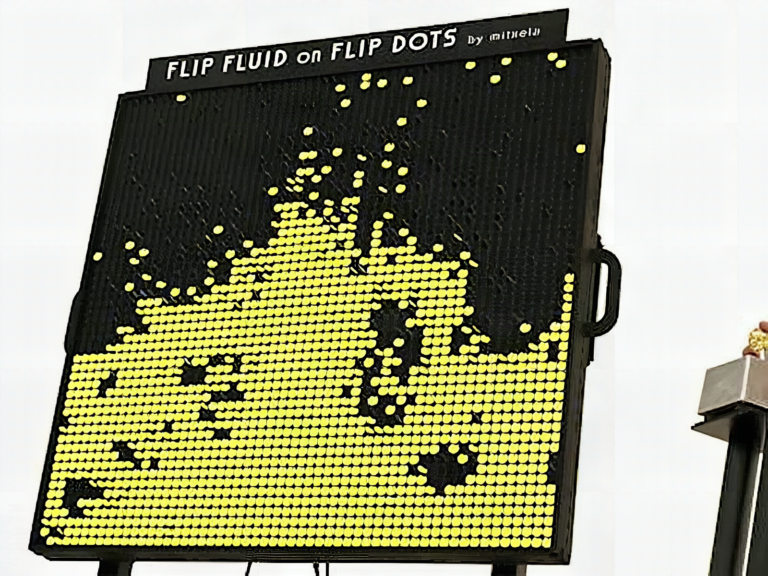
A maker swapped silent LEDs for a room-filling flip-dot panel that physically clacks out real fluid physics, steered by a joystick and a hidden…
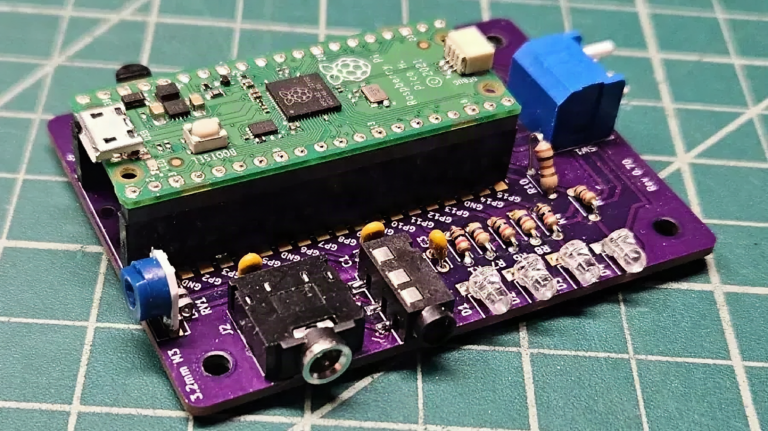
A maker resurrected a discontinued 1980s Heathkit packet radio modem by making a $4 Raspberry Pi Pico run the exact original firmware itself.
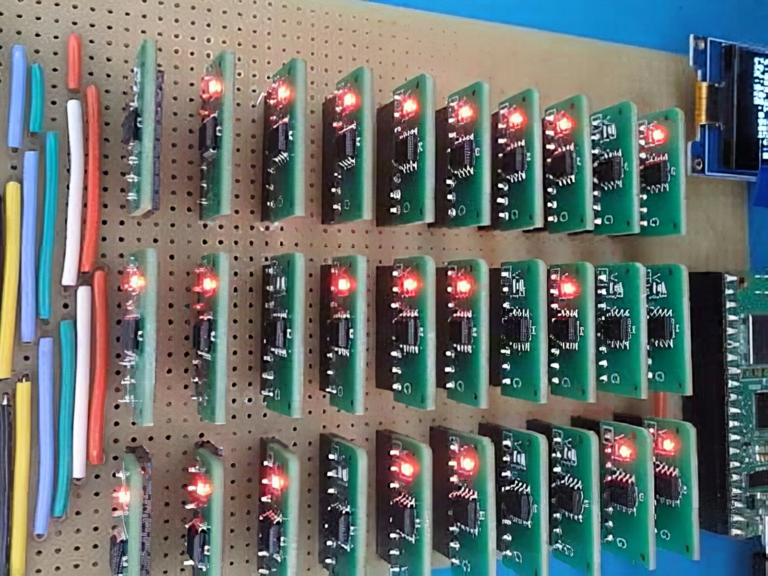
Maker KB Sriram rebuilt a 1928 mechanical number sieve using 30 ATtiny412 chips and an RP2040, and the century-old math still checks out perfectly.
Three kids sealed a Raspberry Pi 3 and a DS18B20 sensor in a £130 acrylic tube to log river temperature and video on their…
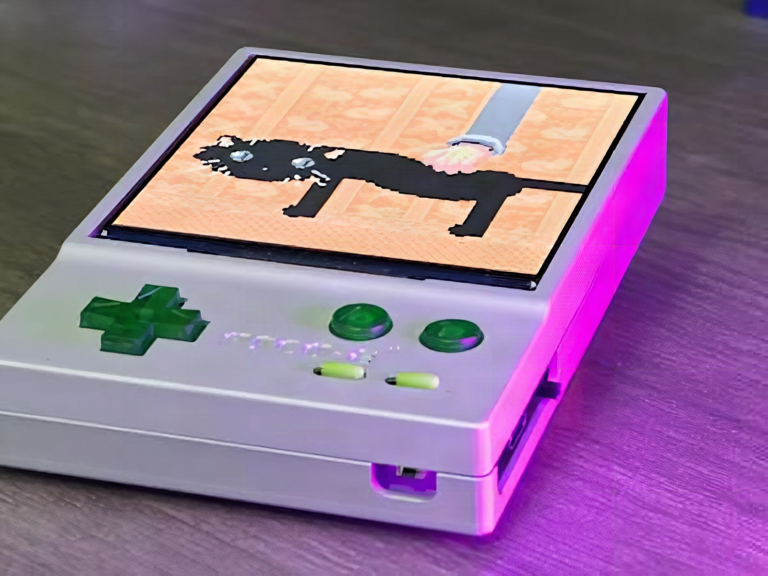
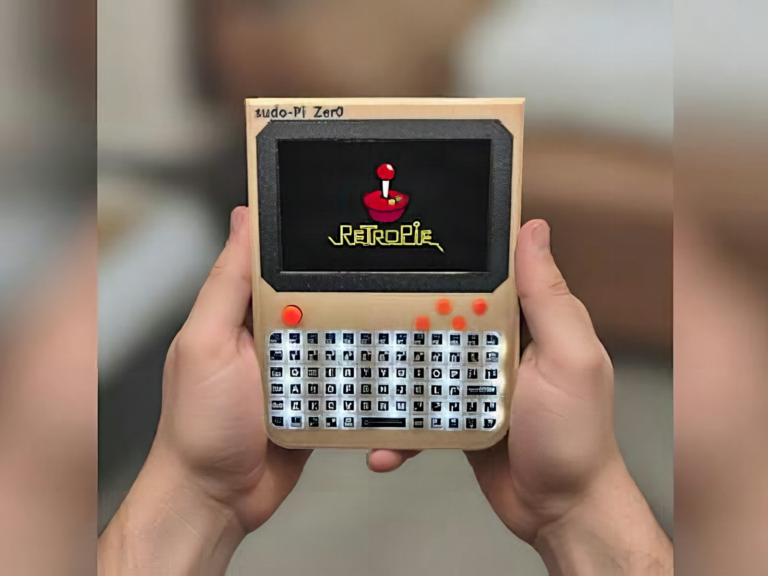
A Pi Zero 2 W, an 18650 cell and a square 720x720 screen turn PICO-8 into a pocket console. Here's how UncleStem built it…
A 1/48 scale locomotive packs a supercapacitor, boost converter, and IR receiver so it can stop, wait, and reverse on its own. Here's how…
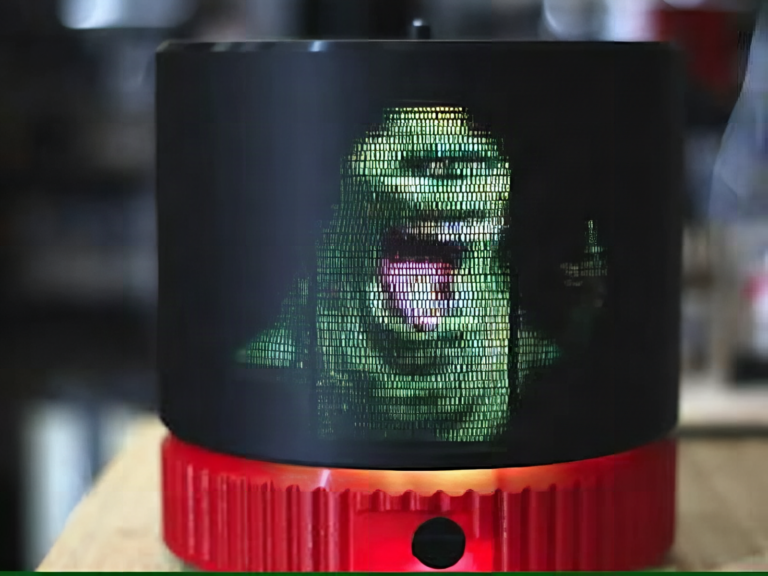
A spinning drum with a spiral of holes plus 22,500 fps LED panels gives glasses-free 3D. Here's how James Brown's Nipkow display works and…
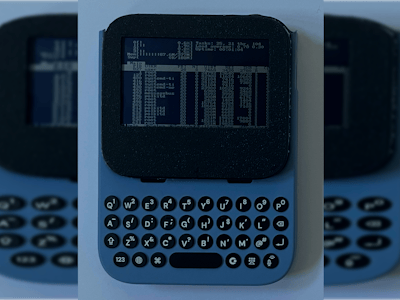
A $20 MF800 hotspot, a thumb keyboard, and a Sharp Memory Display become a pocket Linux messenger with 4G. Here's the parts list and…
A maker built a pocketable Linux terminal around the Pi Zero 2 W, with a custom carrier PCB, keyboard, USB hub and battery. Schematics…
One FeatherWing puts a 3W class-D amp, a NeoPixel port, an RGB LED driver and an accelerometer on your Feather, so a prop reacts…
Mark Rober invited makers to beat his casino with hardware. A self-driving poker chip, wax-loaded dice and a wearable card counter were the result.