diy projects
200 A Boost Converter: Six-Phase 12 V to 48 V DIY Build
Nick Electronics built a six-phase 200 A boost converter that turns 12 V into 48 V, using aluminum-core PCBs, copper bus bars, and an…

// New arrivals, announcements, and life at Circuitrocks.
Nick Electronics built a six-phase 200 A boost converter that turns 12 V into 48 V, using aluminum-core PCBs, copper bus bars, and an…
A maker swapped silent LEDs for a room-filling flip-dot panel that physically clacks out real fluid physics, steered by a joystick and a hidden…
Mark Rober invited makers to beat his casino with hardware. A self-driving poker chip, wax-loaded dice and a wearable card counter were the result.
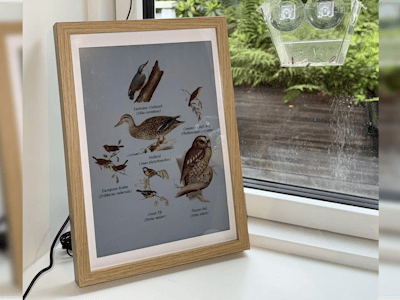
A microphone under the eaves, a Raspberry Pi 5 running BirdNET locally, and an A4 E Ink panel that redraws itself with 1800s bird…
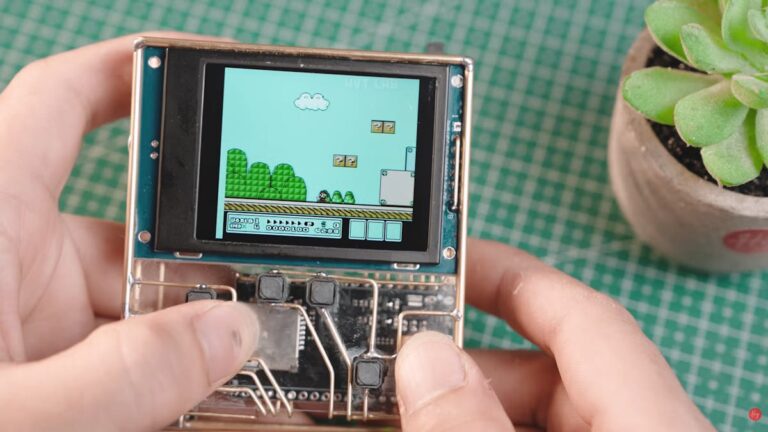
No PCB, no printed shell. Huy Vector bent 2 mm brass tubing into a handheld console frame and used the metal itself as the…
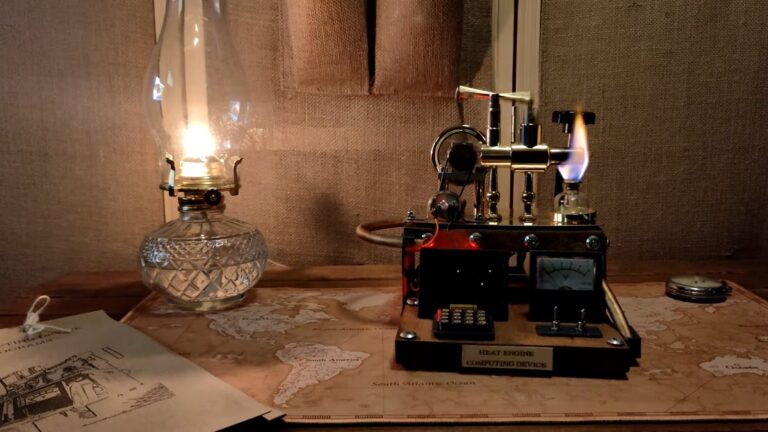
No battery, no wall wart. A Stirling engine and a candle push enough current to run an ESP32 CHIP-8 machine with an OLED and…
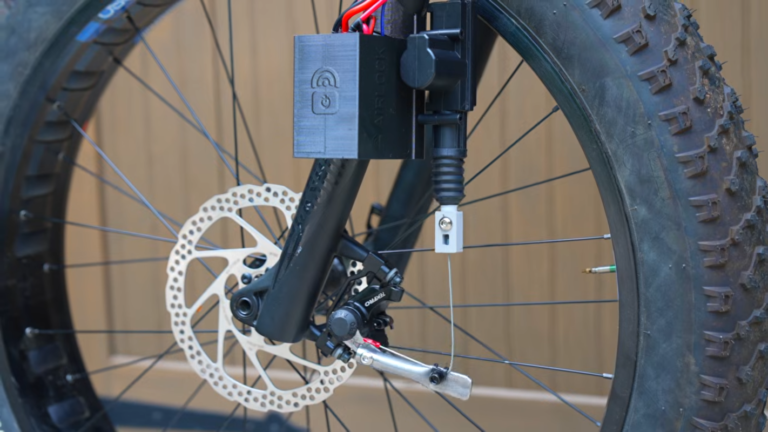
A fat-bike brake with no cable at all: ESP32 nodes talking over ESP-NOW drive car door lock actuators, unlocking ABS and an adjustable bite…
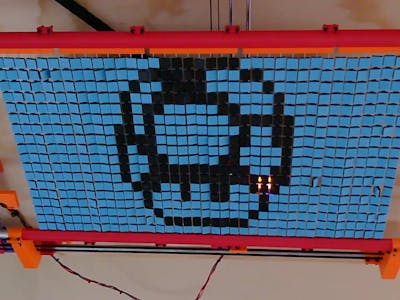
Most flip-disc displays need one solenoid per pixel. This 666-tile panel uses a single Arduino Nano ESP32 gantry robot that prods each tile instead.
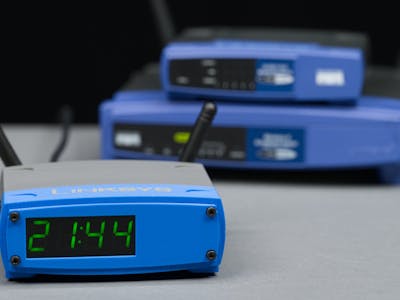
Glen Akins rebuilt the mid-2000s Linksys WRT router as an NTP desk clock, swapping a Raspberry Pi Zero 2 W for a 21 mm…
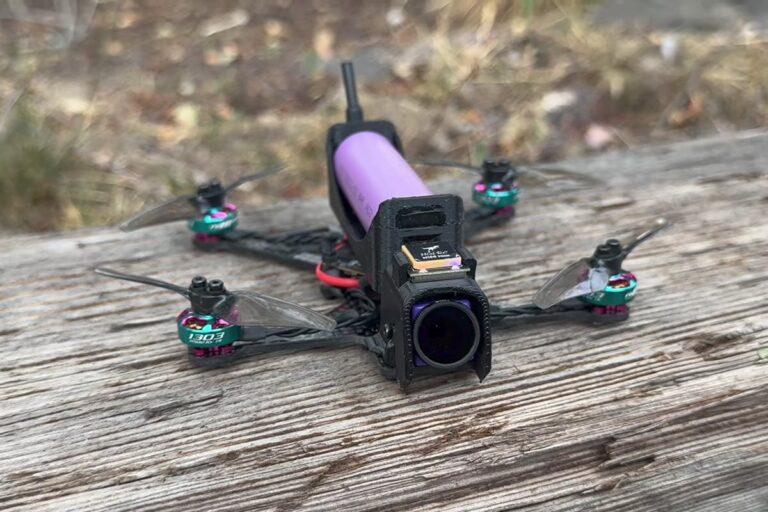
A 1S quad that flies 34 minutes and 5 km, and the copper battery tray that made it possible. The voltage-sag fix works on…
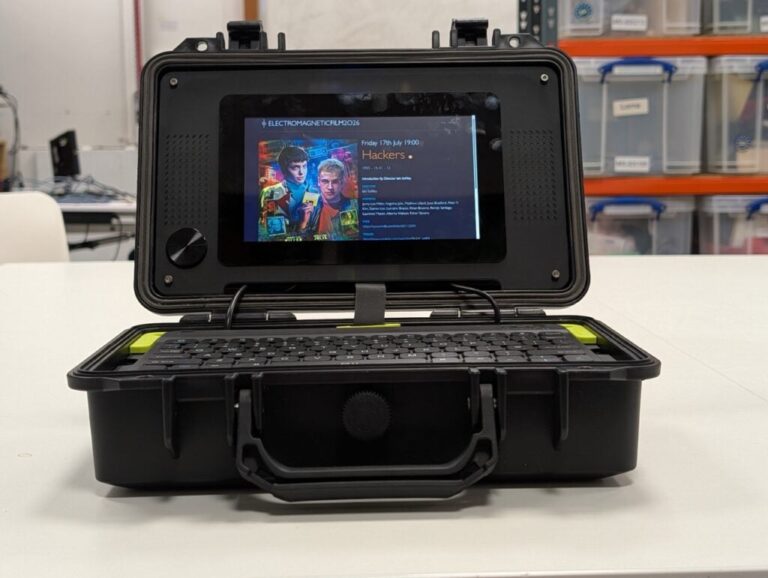
Raspberry Pi's cyberdeck guide breaks the build into brains, peripherals, power and case, with the 28W power maths most first decks get wrong.
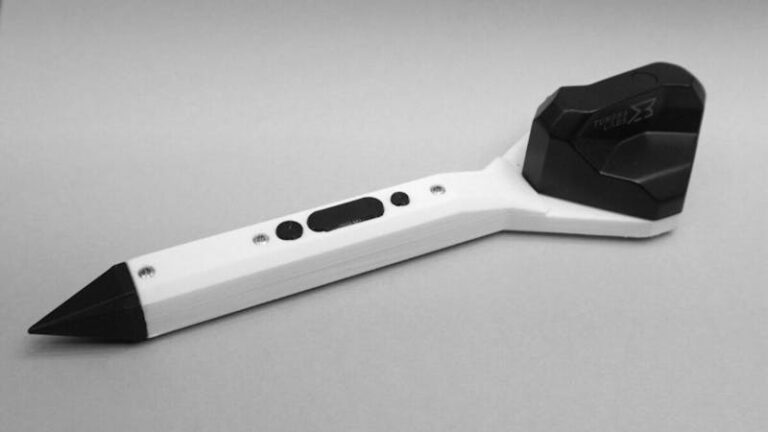
Aalto University's open-source Lighthouse Stylus tracks position and tilt to under 1 mm for about $155 in parts, against $5,000+ for commercial mocap.