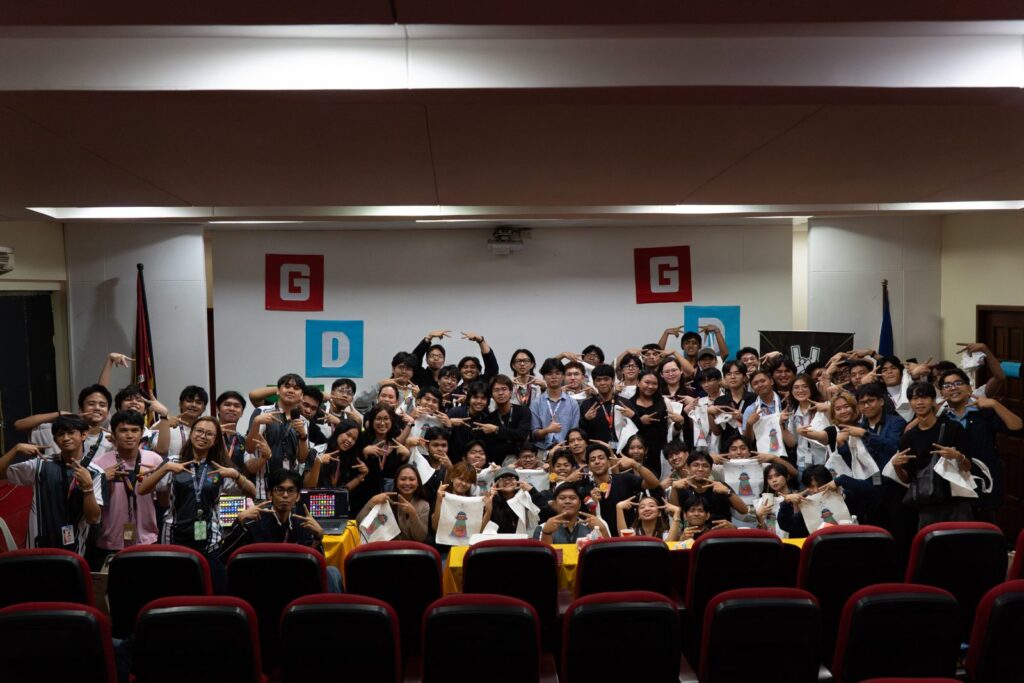
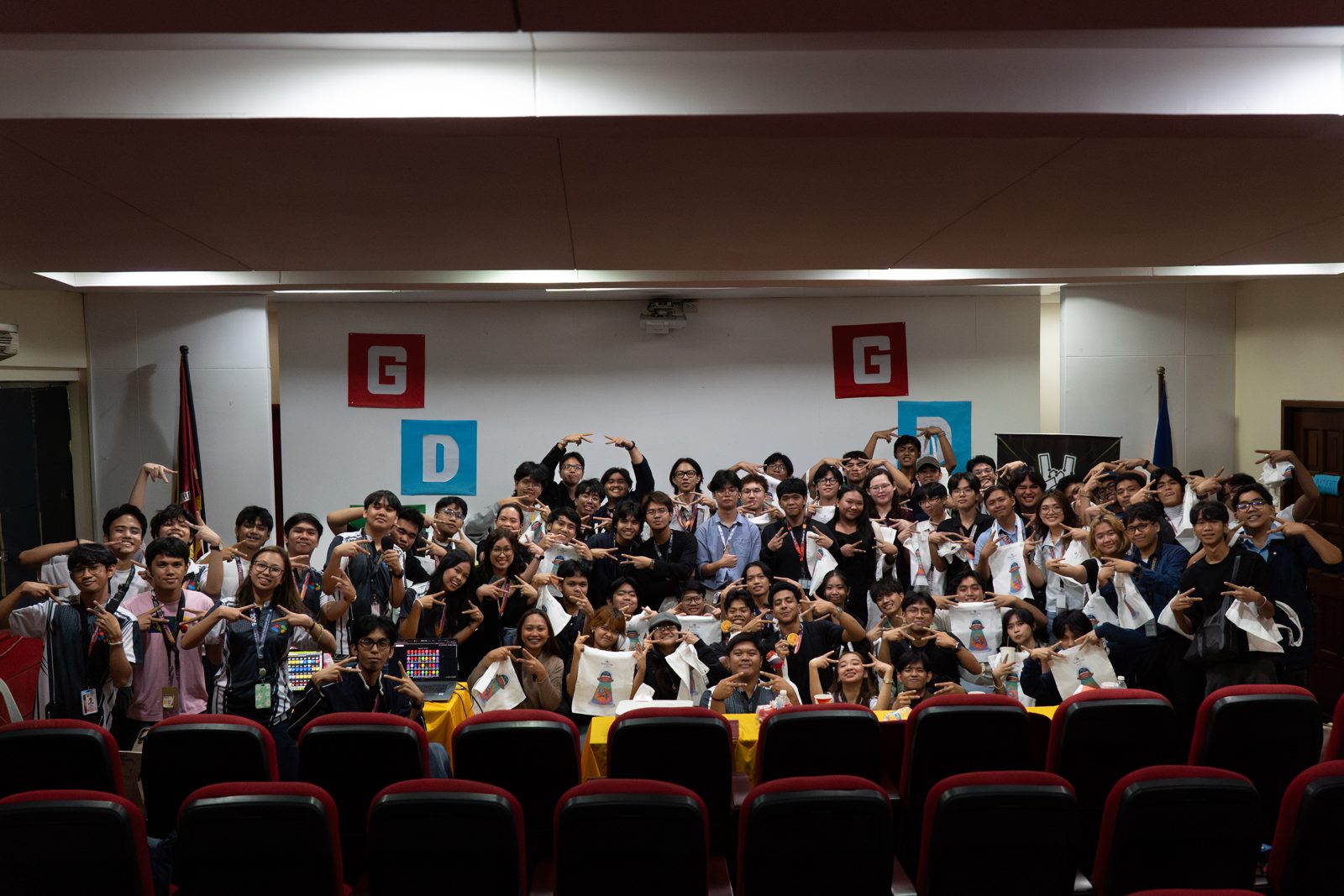
Circuit.Rocks was on board as a hardware sponsor for SparkFest 2026, the flagship hackathon and mentorship day organized by the Google Developer Group on Campus PUP. The event ran July 9, 2026 from 11 AM to 5:30 PM at PUP Main Campus, Bulwagang Bonifacio, and now that the dust has settled we’ve got the photos to show how it went.
We joined SparkFest because the format is exactly the kind of student experience we like to back: not just a code sprint, but a full day that pairs hands-on hardware building with structured mentorship, pitching, and community-impact work.
What happened at SparkFest 2026
The GDG PUP team ran SparkFest 2026 as five parallel tracks in one day:
- Hackathon – team-based building around the day’s theme, with hardware kits available on the floor.
- Mentorship Sessions – one-on-one and small-group time with industry mentors so first-year hackers aren’t left decoding datasheets alone.
- Pitching Day – teams present their prototypes to a judging panel, sharpening the skill that turns a working demo into a fundable idea.
- Networking Activities – structured intros between students, alumni, and sponsors, so nobody leaves without a follow-up contact.
- Community Impact Initiative – a track focused on projects with direct social value rather than tech-for-tech’s-sake.
What Circuit.Rocks brought to the floor
Our sponsorship covered hardware provisioning for the hackathon. Sparkmates working through the day had access to the parts they needed to move from concept sketch to working prototype without waiting weeks for international shipping.
The catalog we brought included:
- Adafruit boards, sensors, and Feather ecosystem parts – the ones that come with real docs and libraries that just work.
- DFRobot Gravity sensors, HUSKYLENS AI vision, and pH/EC water-quality kits – great fit for teams building environmental or robotics ideas.
- Arduino official UNO, Mega, MKR, and Nano boards – the safe default when a team needs to iterate fast.
- Raspberry Pi Pi 5, Pi Zero 2 W, and Pico W – for teams whose builds need Linux, a display, or wireless connectivity.
- Motors, drivers, batteries, wiring, and enclosure basics so hardware teams aren’t stuck sourcing a jumper wire at 2 PM.
Everything in the SparkFest kit line-up comes from Circuit.Rocks’s authorized-brand catalog, so the parts students touched on the day are the same ones they can buy back in Manila to keep prototyping after the event ends.
How the day went
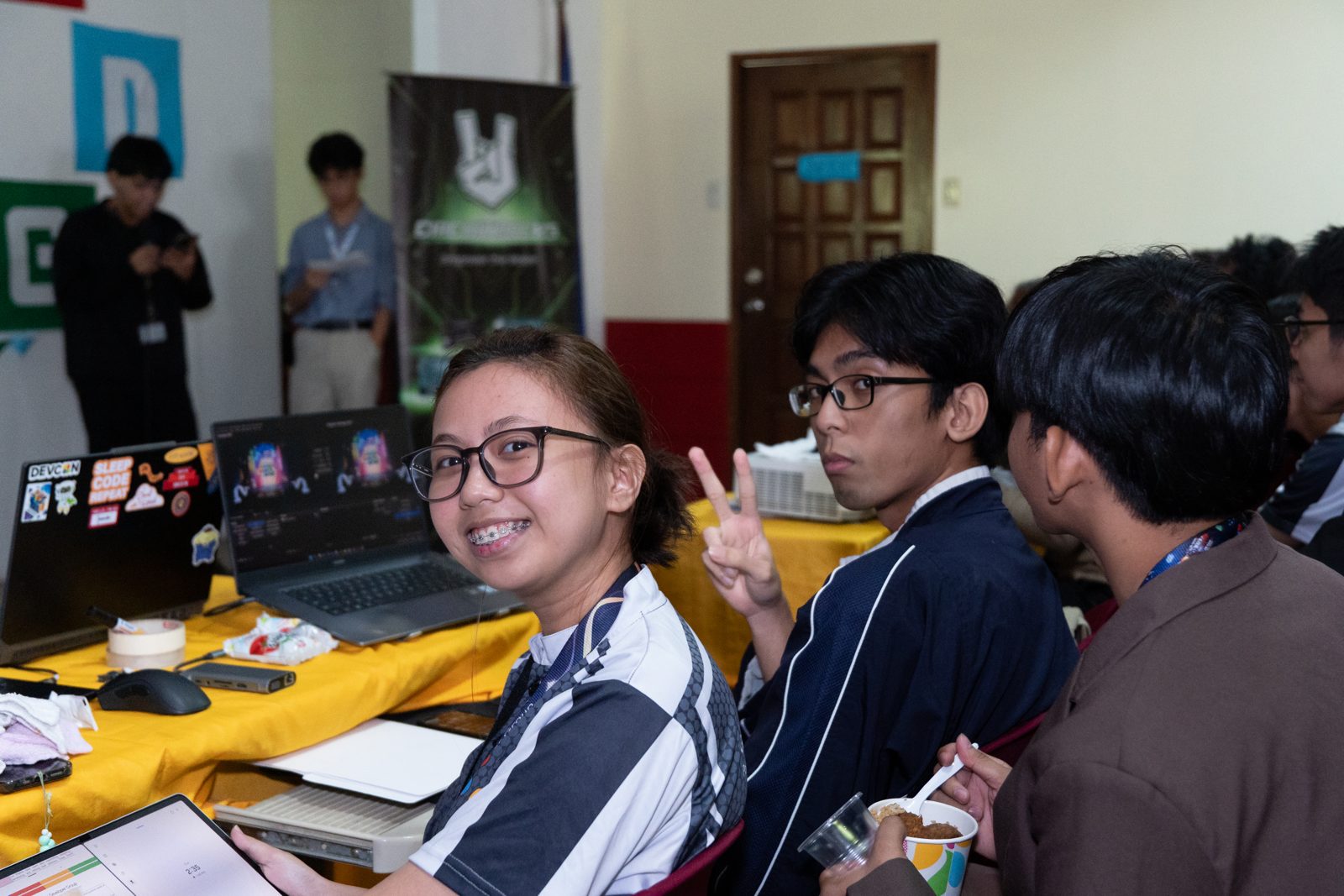
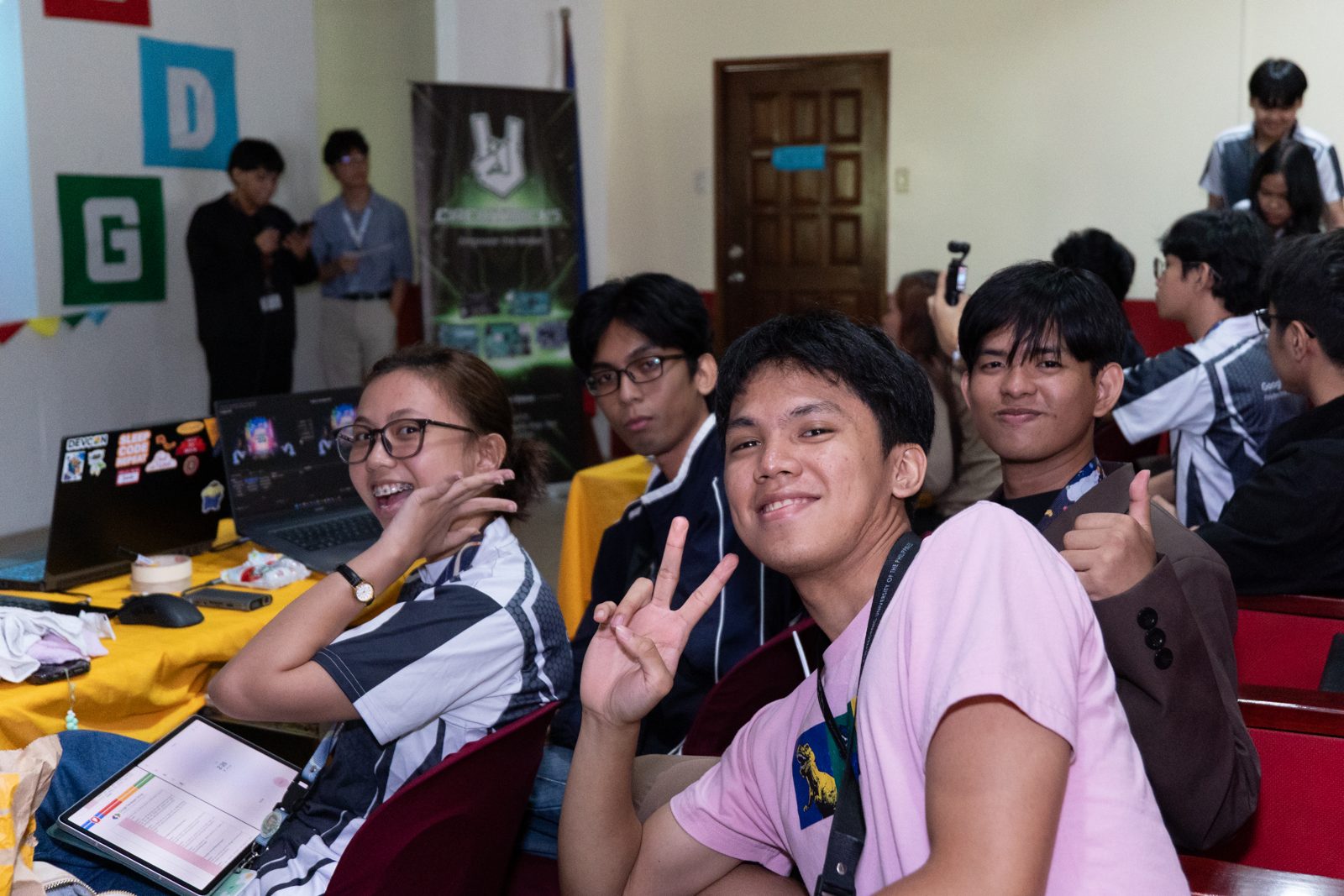
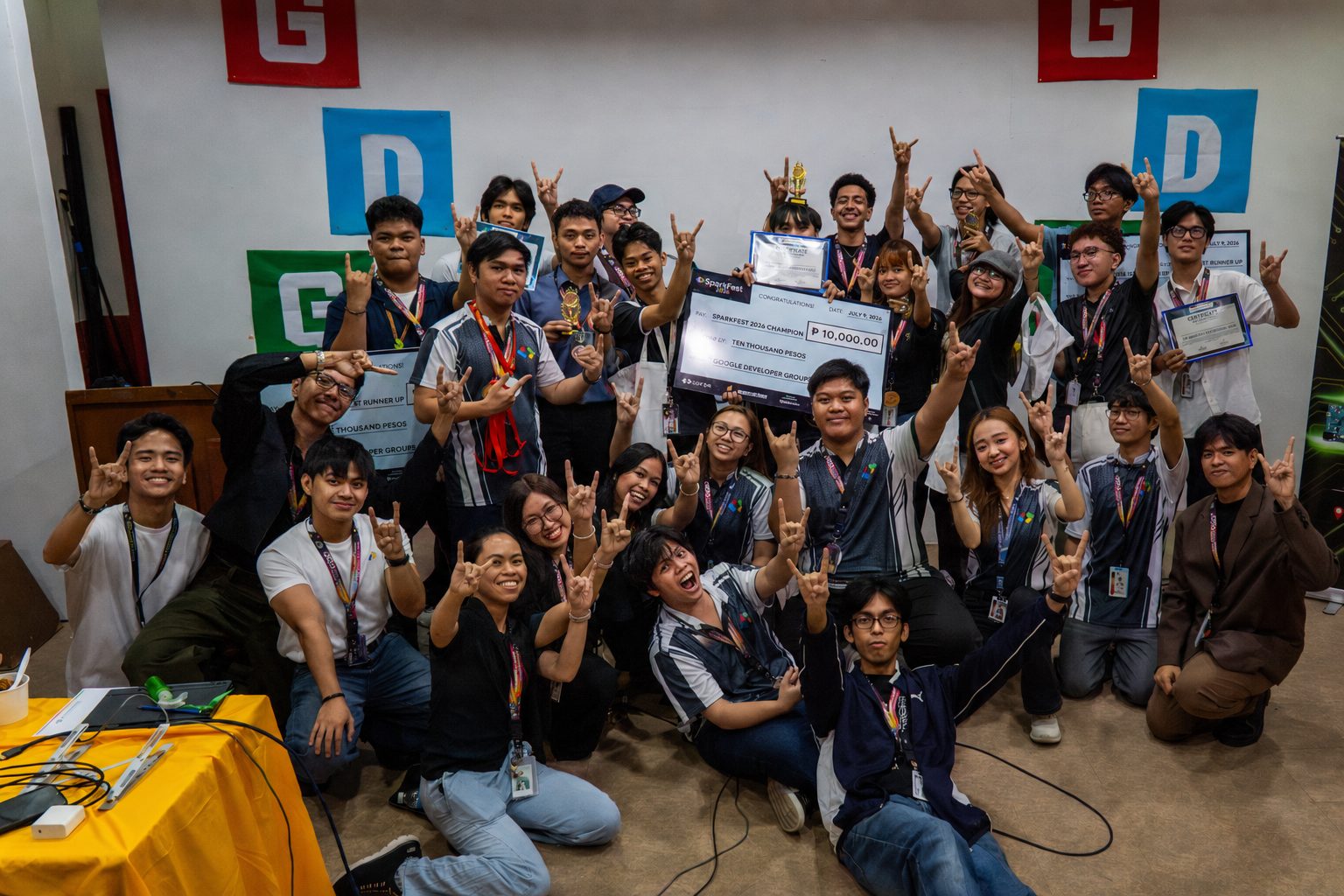
Bulwagang Bonifacio filled up fast. By late morning the hall was wall-to-wall sparkmates, and it stayed that way until the last group photo.
Then the build hours. Teams spread out across the hall with laptops, kits, and whatever they could grab from the hardware table. This is the part we sponsor events for: real parts in student hands, working prototypes due by late afternoon.
The pitches
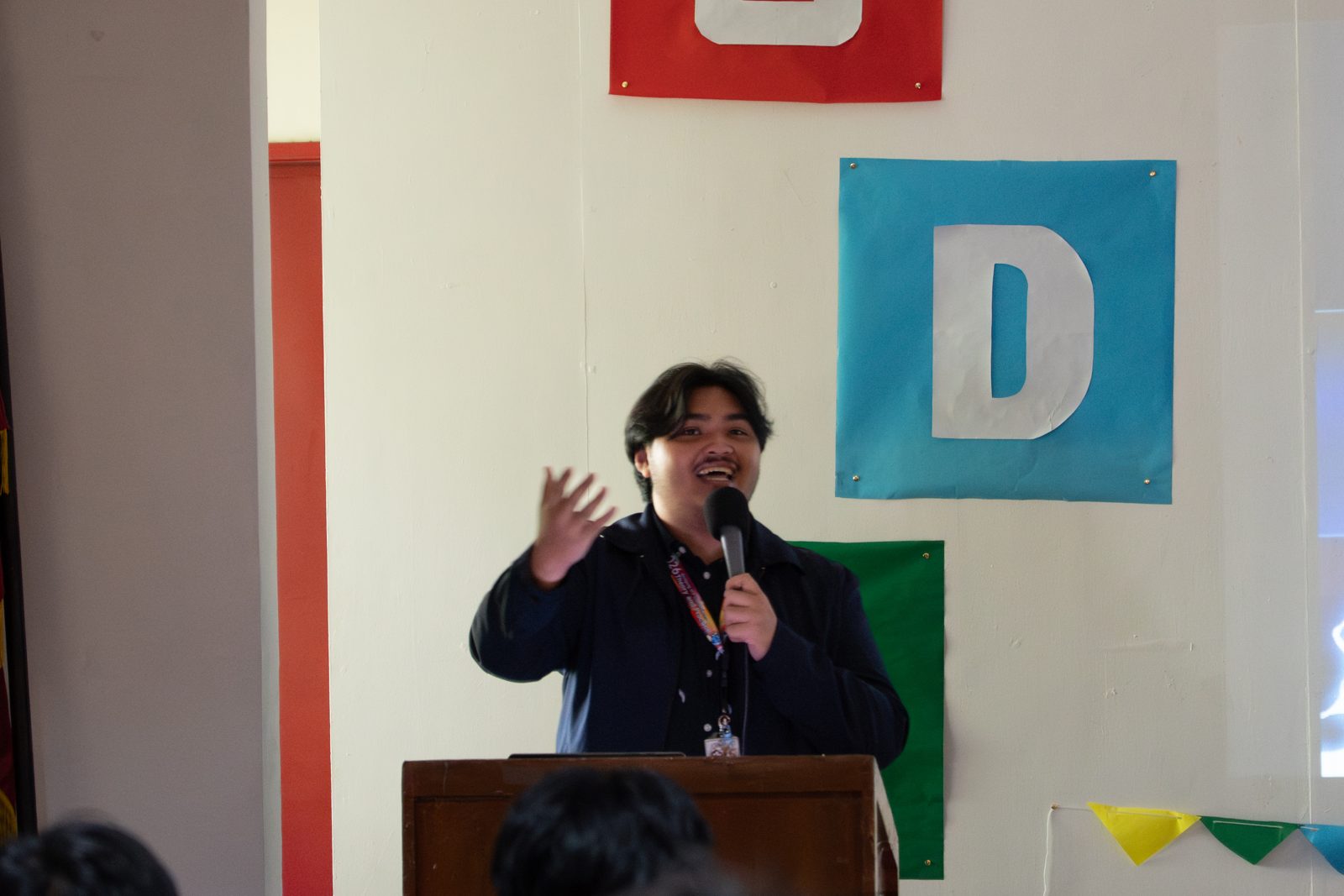
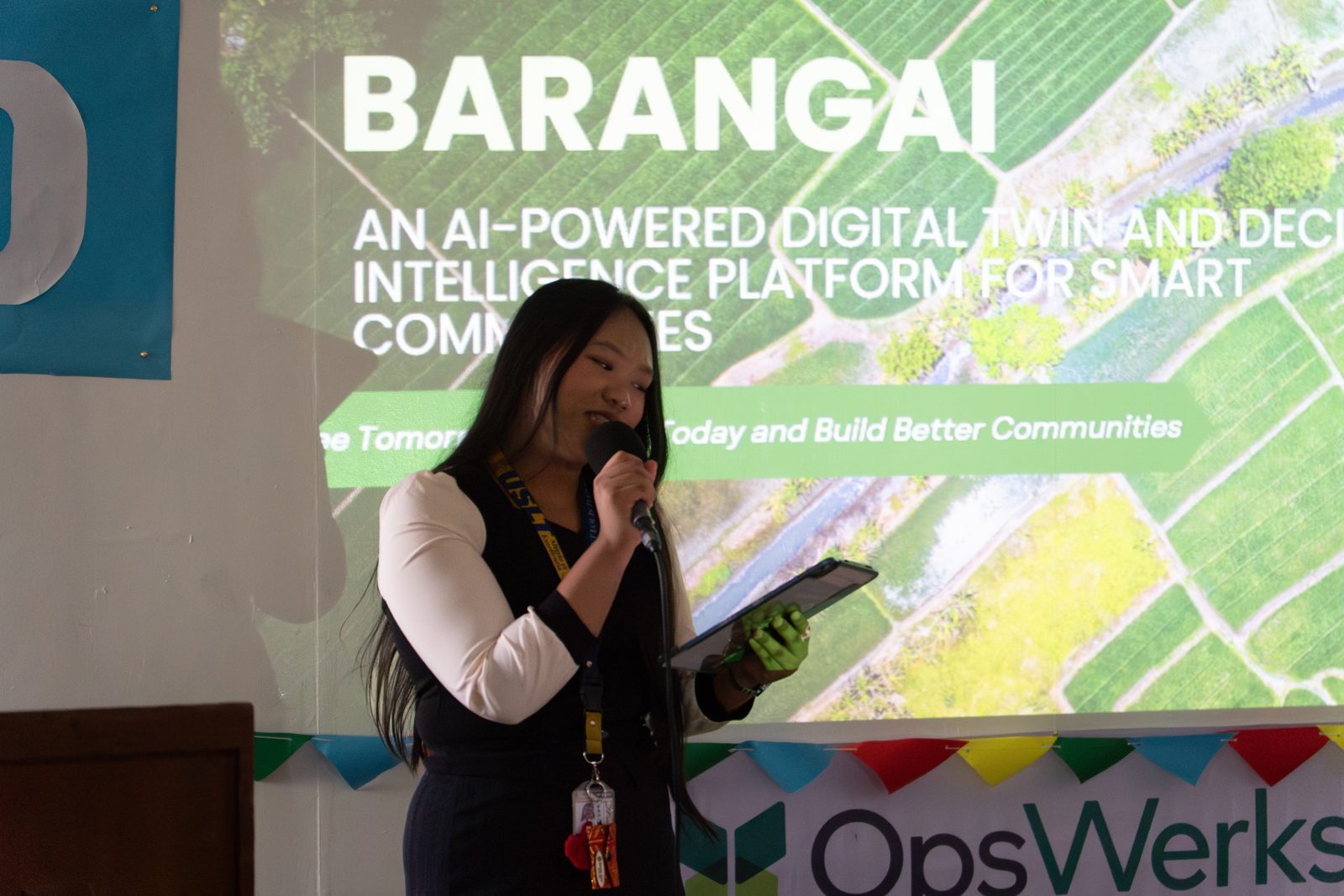
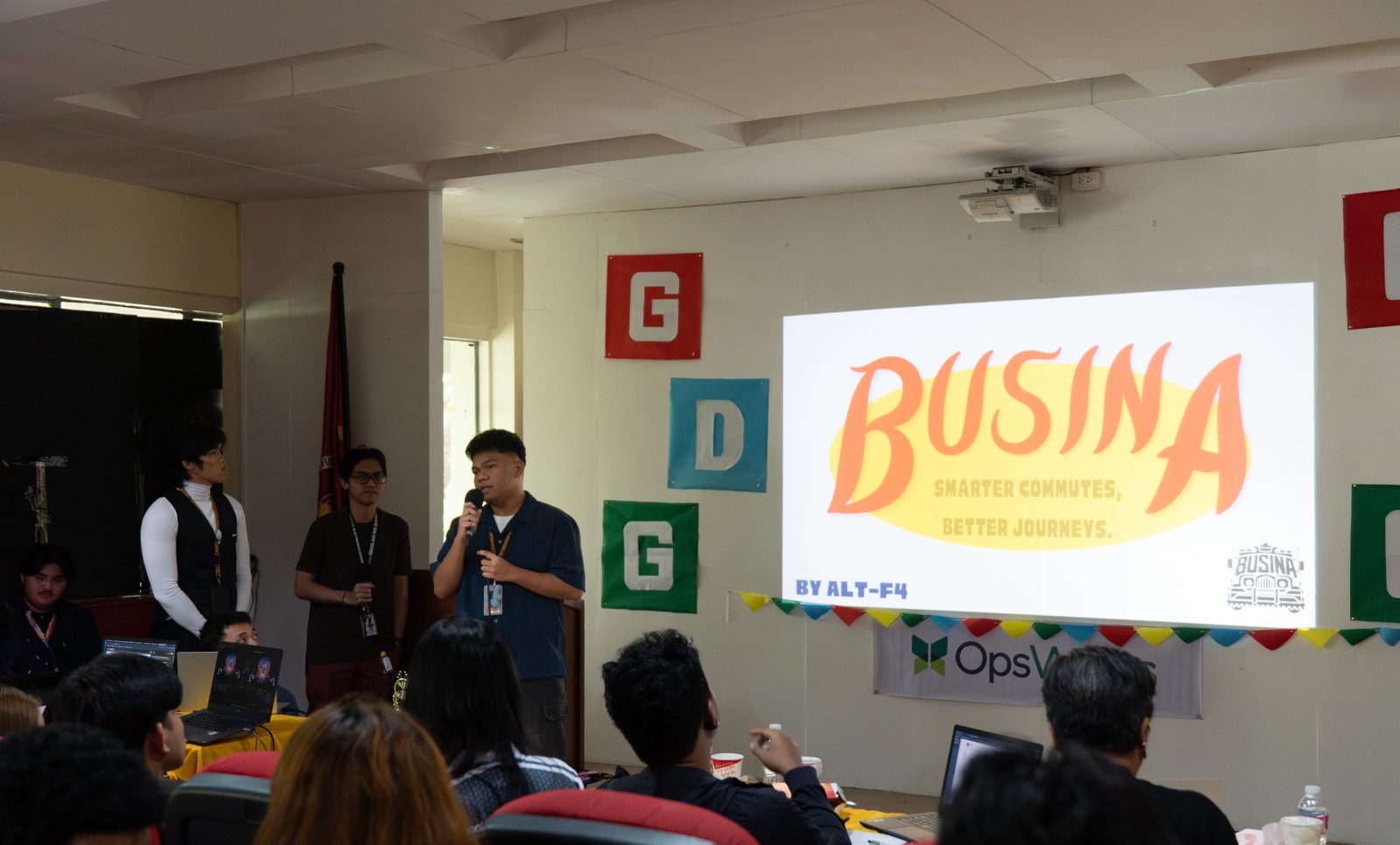
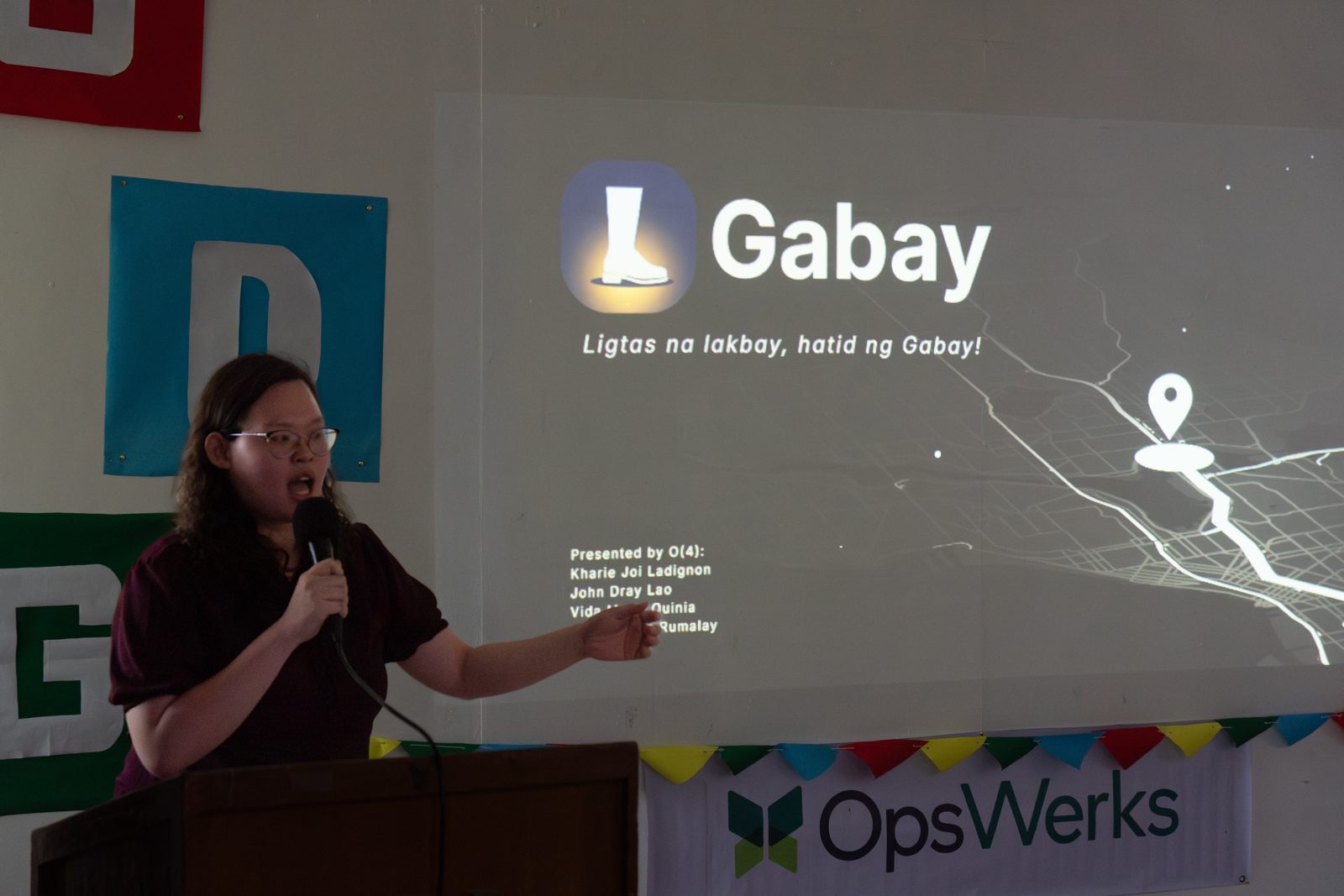
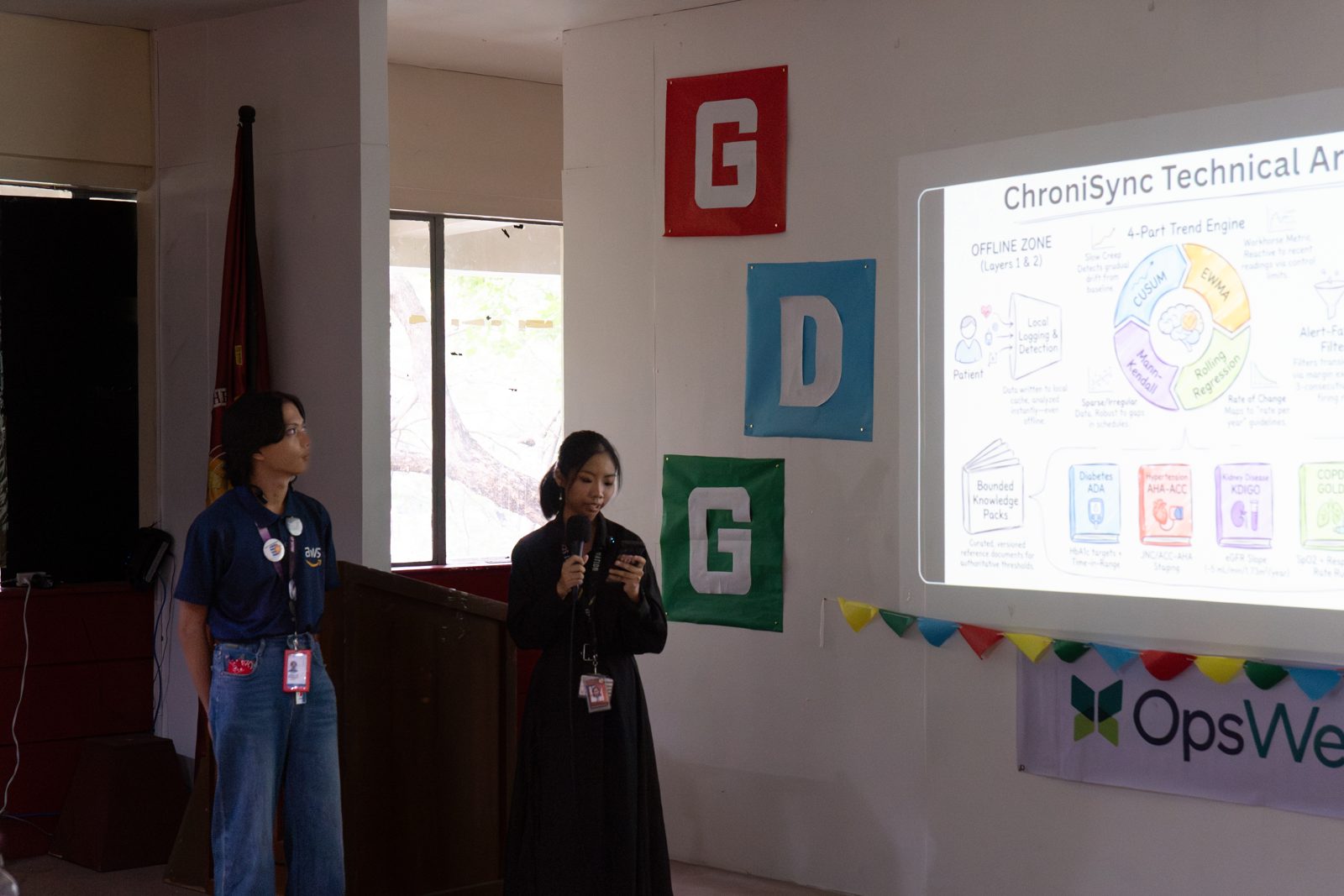
Pitching day is where SparkFest separates itself from a plain code sprint. Every team had to stand up, present a working prototype, and defend it in front of a panel. The project lineup leaned hard into the community-impact brief: transport, safety, local governance, health.
The judges did not go easy
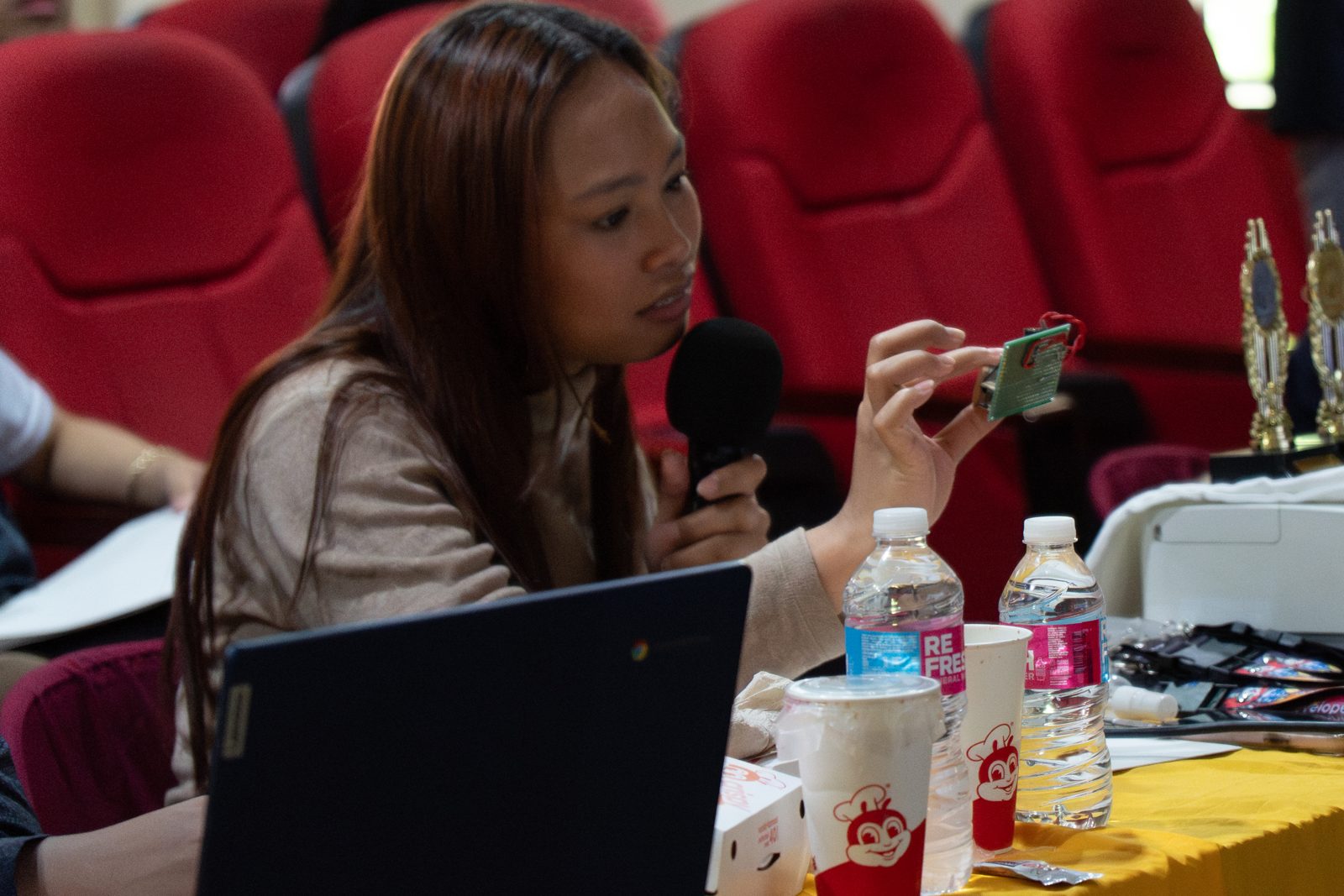
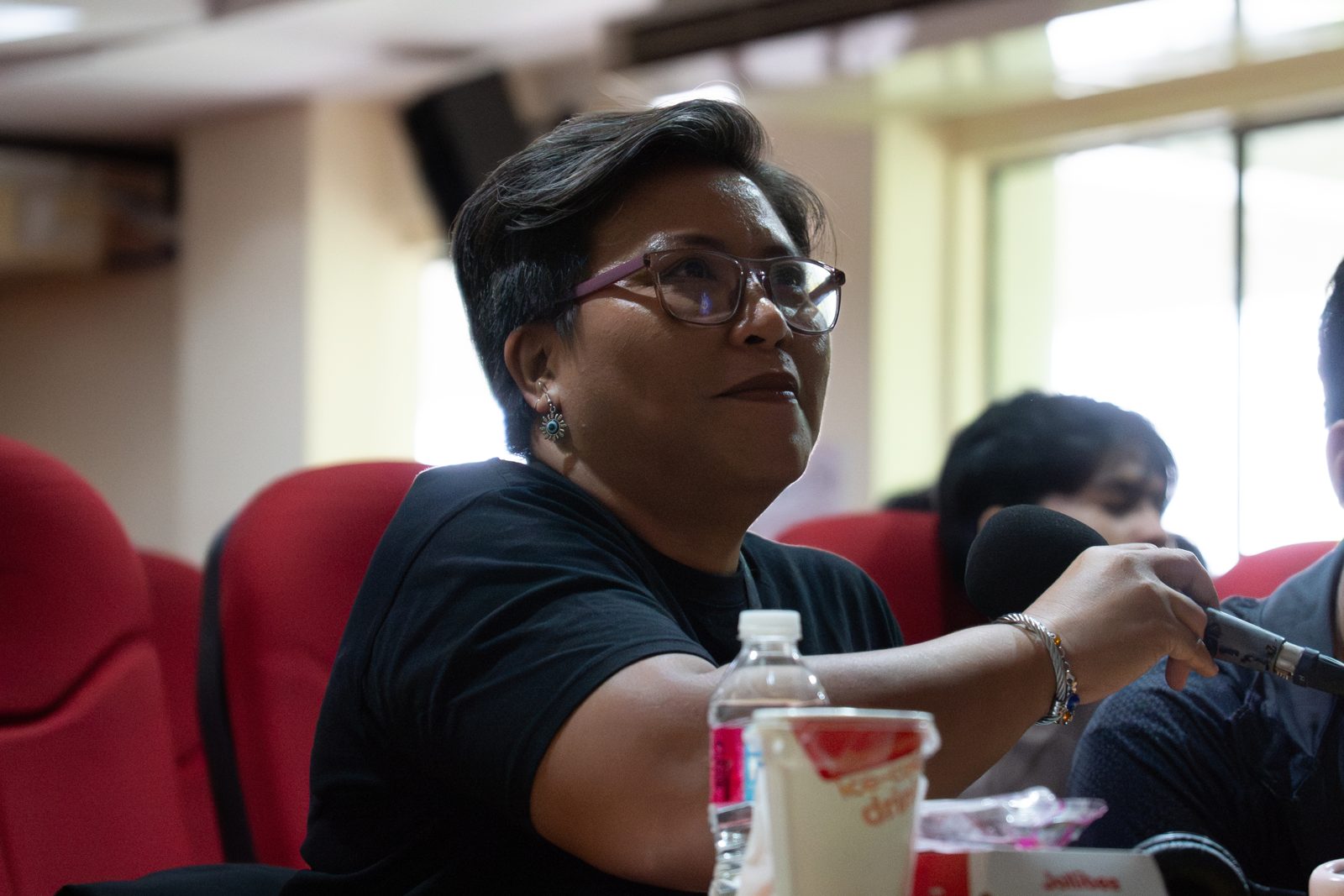
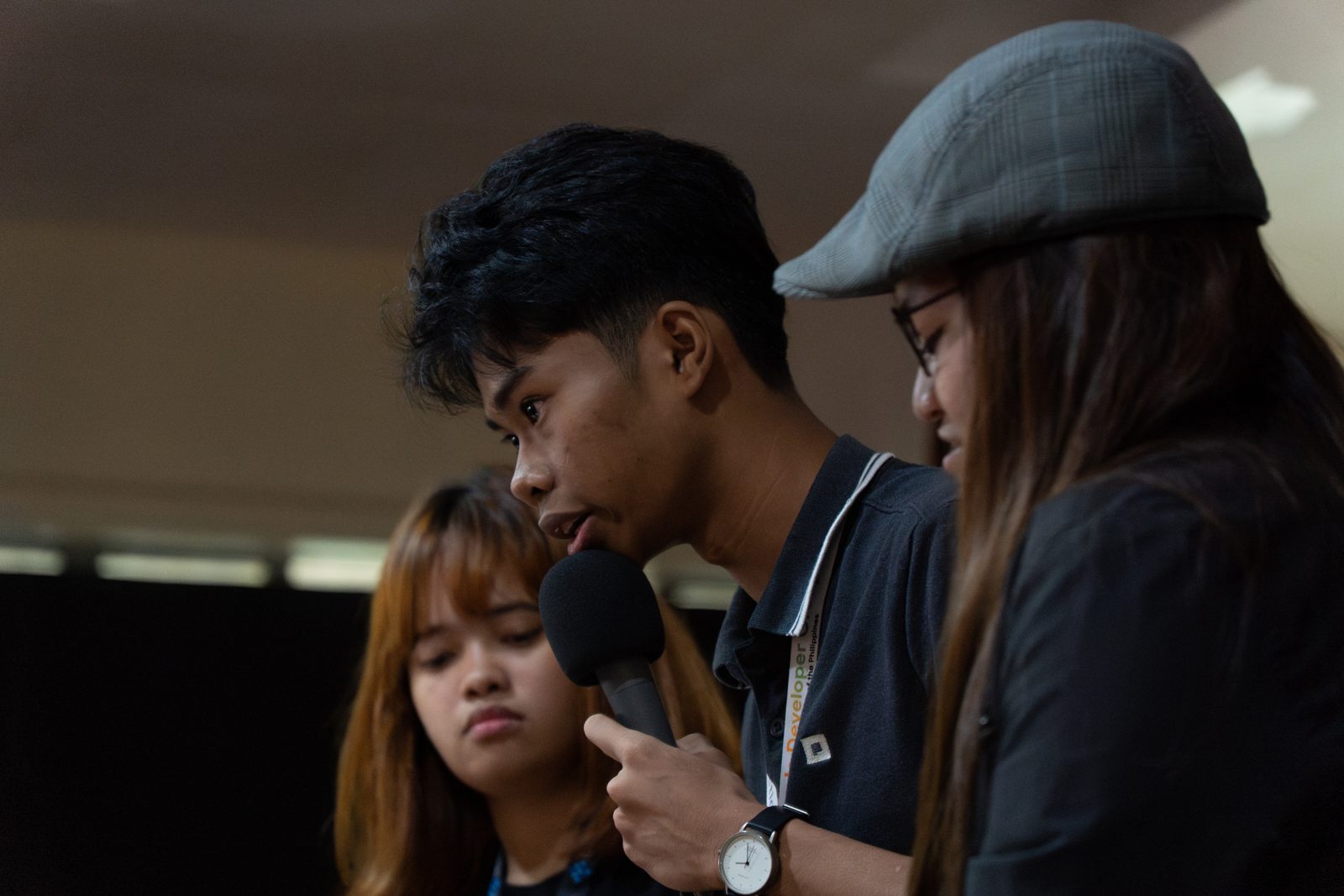
The panel picked up the boards, traced the wiring, and asked the questions that matter: why this sensor, what happens when the network drops, who actually uses this. Watching a team huddle mid-answer and come back with something solid was half the show.
Raffles, prizes, and the winners
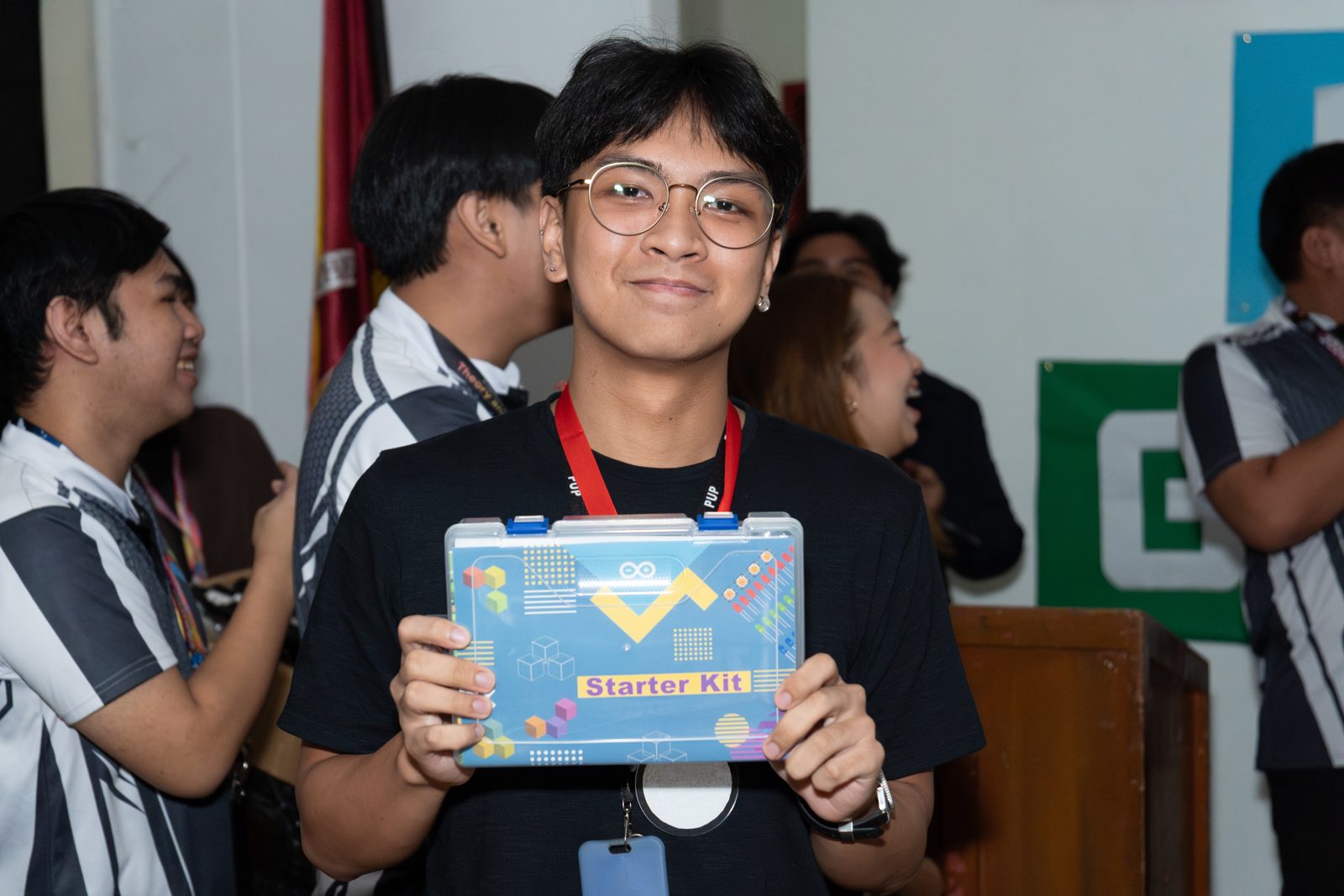
Between rounds, the raffle wheel sent a few lucky sparkmates home with Arduino starter kits from the Circuit.Rocks table. The kind of prize that turns into a first real project the same weekend.
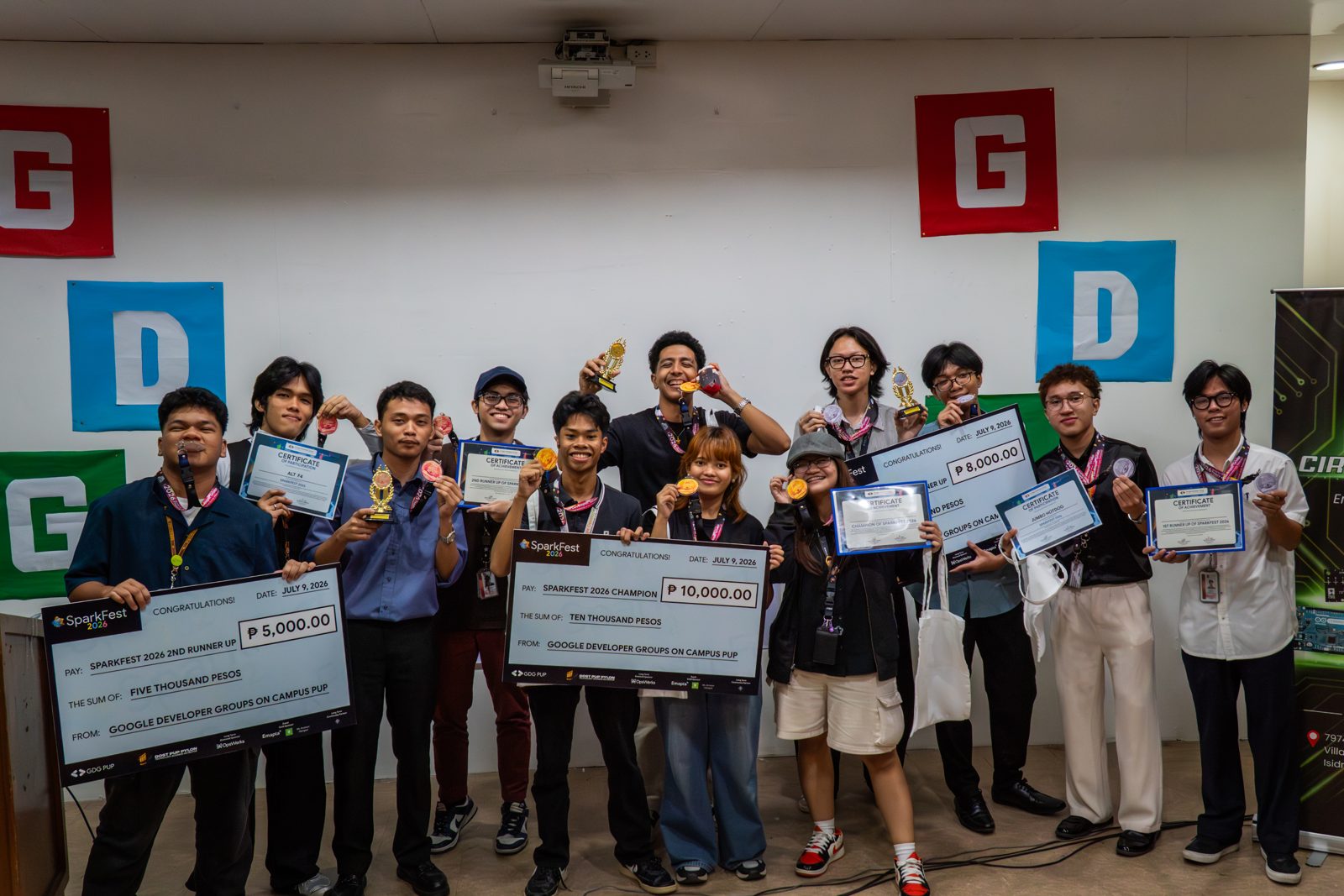
Then the big ones. GDG on Campus PUP handed the champion team a P10,000 check, with P8,000 and P5,000 checks for the runner-up teams, plus trophies and medals across the board.
Why we back events like this
Circuit.Rocks has been shipping parts to Filipino makers since 2015, and one thing we’ve learned is that the students who become confident engineers are the ones who touched real hardware early. A datasheet only gets a beginner so far – actually wiring up a motor driver, watching a servo twitch the wrong way, and figuring out why is where the learning locks in.
Hackathons like SparkFest 2026 give that experience at scale. One day, dozens of teams, mentors on hand to unstick you before you rage-quit. That’s a much steeper learning curve than a semester of theory alone. It’s also a low-friction way to get into the maker community – walk in on Thursday morning knowing nothing about GPIO, walk out on Thursday night having demoed a prototype in front of judges.
What’s next
Event details and future GDG PUP activities live at sparkfest.gdgpup.org and the GDG on Campus PUP Facebook page. To every sparkmate who built, pitched, and stuck it out to the last group photo: that was a good one. See you at the next event, and if your prototype deserves a second life, the parts are waiting in Manila.
Frequently Asked Questions
When and where was SparkFest 2026?
SparkFest 2026 ran on Thursday, July 9, 2026, from 11 AM to 5:30 PM at PUP Main Campus – Bulwagang Bonifacio, organized by the Google Developer Group on Campus PUP.
Who was SparkFest 2026 for?
SparkFest 2026 was open to students across programs – not just Computer Engineering or Computer Science. First-time hackers got structured mentorship built into the day, while hackathon regulars used the pitching and community-impact tracks to level up beyond just shipping a demo.
What did teams win at SparkFest 2026?
The champion team took home P10,000, with P8,000 and P5,000 prizes for the runner-up teams, plus trophies and medals from GDG on Campus PUP. Raffle winners also received Arduino starter kits from the Circuit.Rocks table.
What did students actually take away from SparkFest 2026?
Hands-on time with real hardware they’d never touched before, mentor feedback on a working prototype (not just an idea), a short pitch on record from the pitching-day panel, and a network of student peers and industry mentors who now know their work. Practically: hardware fluency, teamwork under a deadline, and a portfolio-grade demo they can bring into a job interview or a research application.
