
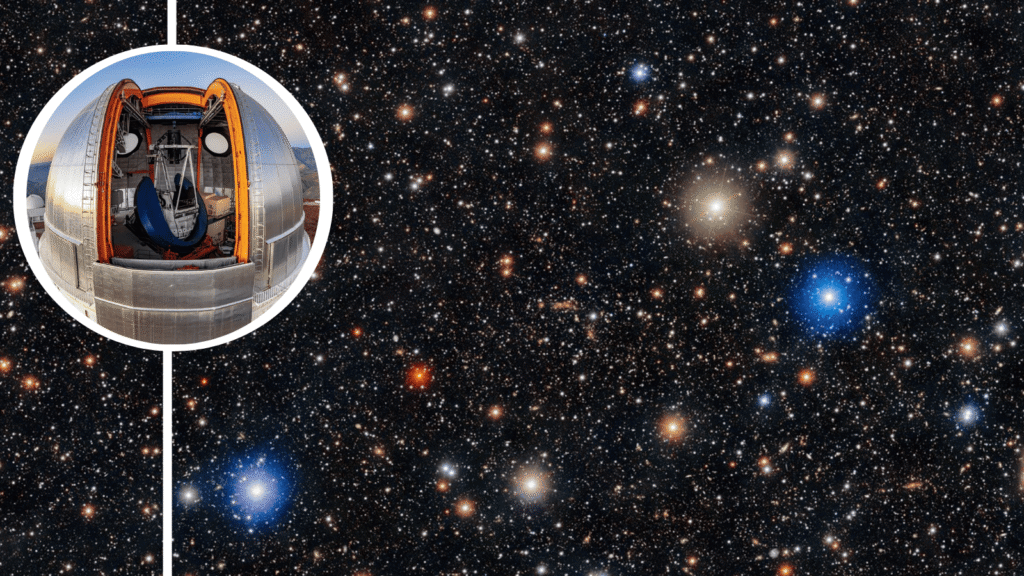
Scientists Reveal a 3D Map of the Early Universe
Astronomers have created one of the most detailed 3D maps of the early universe ever produced. The new map reveals how galaxies, hydrogen gas, and large cosmic structures were arranged billions of years ago when the universe was still young.
This breakthrough helps scientists understand how galaxies formed and evolved during one of the most active periods in cosmic history — roughly 9 to 11 billion years ago, when star formation across the universe was at its peak.
Mapping the Universe in 3D
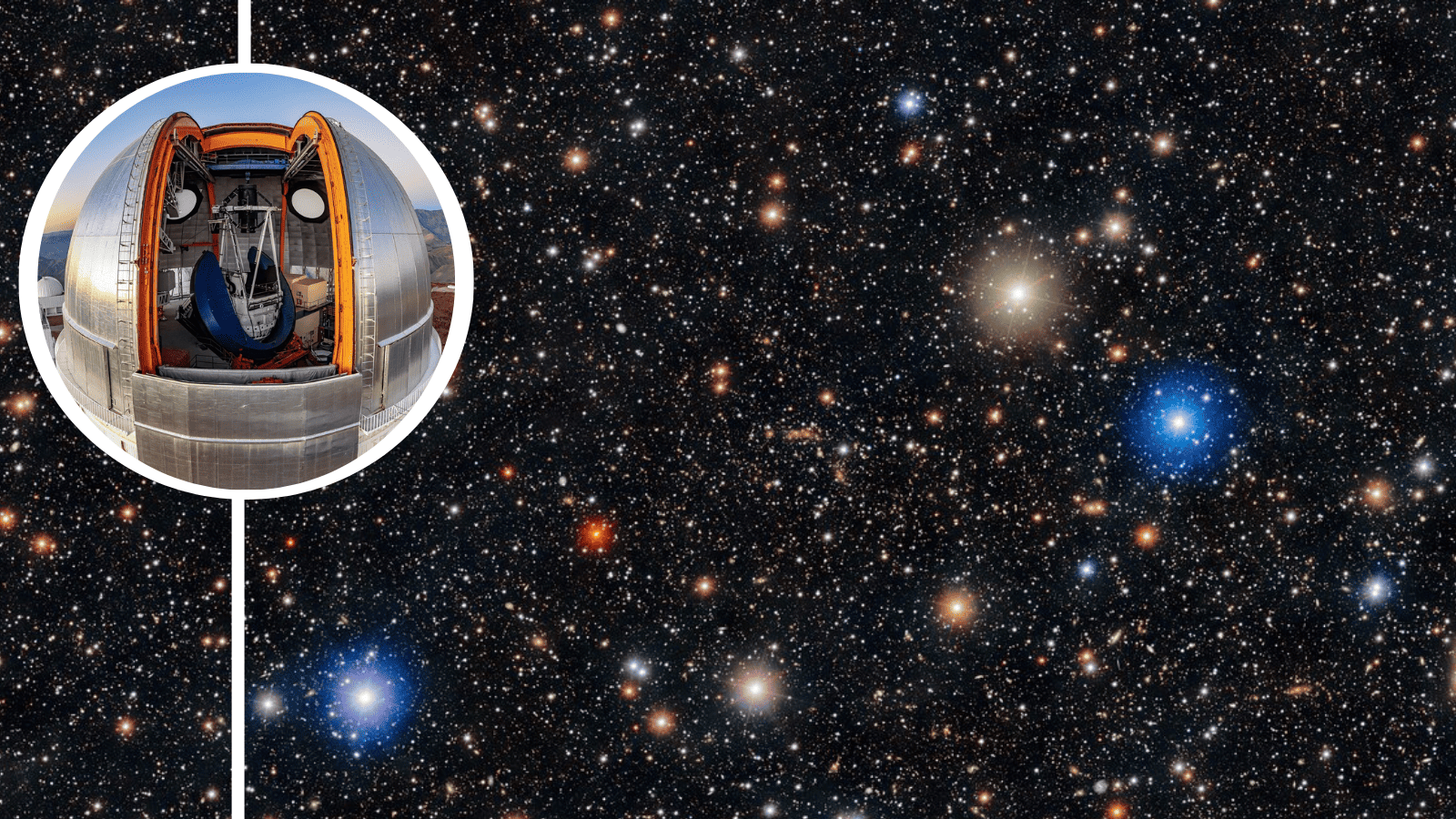
The map was created using data from the Hobby-Eberly Telescope Dark Energy Experiment (HETDEX), a large astronomical survey designed to study how the universe expanded over time.
Instead of focusing only on bright galaxies, astronomers used a technique called line-intensity mapping. This method measures the combined light emitted by hydrogen gas across huge regions of space.
Hydrogen atoms emit a specific wavelength of ultraviolet light known as Lyman-alpha radiation when they are energized by nearby stars. By detecting this light, scientists can trace the presence of both galaxies and the diffuse gas that surrounds them.
Traditional galaxy surveys usually identify bright galaxies one by one. However, they often miss the faint light coming from smaller galaxies and intergalactic gas.
The new mapping technique reveals what researchers describe as a “sea of light” filling the space between galaxies. This faint glow helps astronomers understand how matter was distributed across the young universe.
Why This Discovery Matters
This massive dataset — created from more than 600 million spectra measurements — allows scientists to visualize cosmic structures in three dimensions. :contentReference[oaicite:3]{index=3}
Understanding these structures helps researchers answer major questions about the universe:
- How galaxies formed and grew
- How hydrogen gas fueled star formation
- How gravity and dark energy shaped cosmic structures
- How matter is distributed across the universe
A New Era of Cosmic Mapping
This project represents a new way of studying the cosmos. Instead of mapping only the brightest objects, astronomers can now observe the full structure of the universe — including faint galaxies and the gas connecting them.
As telescopes and analysis techniques continue to improve, scientists expect future surveys to produce even larger and more detailed maps of the universe.
These maps will help reveal how the universe evolved from a nearly uniform cloud of matter into the complex web of galaxies we observe today.
Learn More
You can read more about this research here:
- Space.com coverage of the discovery
- Hobby-Eberly Telescope Dark Energy Experiment (HETDEX)
- The Astrophysical Journal
For students and makers interested in science and space technology, discoveries like this show how modern data analysis, telescopes, and computing power are helping us explore the largest structures in the universe.
Frequently Asked Questions
What did astronomers create?
One of the most detailed 3D maps of the early universe ever produced. It shows how galaxies, hydrogen gas, and large cosmic structures were arranged 9 to 11 billion years ago, when star formation peaked.
Which telescope and method were used?
Data came from the Hobby-Eberly Telescope Dark Energy Experiment (HETDEX). The team used line-intensity mapping, which measures combined Lyman-alpha ultraviolet light emitted by hydrogen gas across huge regions of space.
What is line-intensity mapping?
A technique that captures the faint glow of hydrogen gas between galaxies instead of focusing only on bright galaxies. It reveals what researchers call a sea of light filling intergalactic space.
Why does this matter?
The dataset, built from over 600 million spectra measurements, helps scientists answer how galaxies formed, how hydrogen gas fueled star formation, and how gravity and dark energy shaped the cosmic web we see today.
